
-
 Registered Channel Partners
-
 Partner With Us
-

-




Best City to Live in India 2026: Top Cities for Family, Safety, and Quality of Life
Table Of Contents
Knowing which is the best place to live in India is more than just picking a location with employment opportunities. For families, safety, infrastructure, and overall quality of life often take precedence. With rapid urban growth and improving civic facilities, it has become essential to understand which place in India offers the ideal combination of comfort, safety, and lifestyle.
This guide explores the best cities in India to live in, comparing Tier 1 and Tier 2 cities, and highlights key factors for families, working professionals, and first-time movers looking for a balanced lifestyle.
Key Factors That Influence the Decision About a City to Live In
When selecting a city, the following factors can shape long-term satisfaction and convenience:
- Education and Schools: Quality schools and colleges are crucial for families seeking the best place to live in India with their family, ensuring access to strong educational foundations.
- Safety and Crime Index: Low crime rates contribute directly to the quality of life, providing peace of mind for families and individuals alike.
- Healthcare Infrastructure: Availability of hospitals, clinics, and emergency services ensures timely medical support and overall well-being.
- Transport and Connectivity: Efficient roads, metro lines, and airports improve daily commuting and accessibility. Proximity to these hubs can also influence property prices, commuting costs, and the overall cost of living in the area.
- Environment and Green Spaces: Parks, recreational areas, and low pollution levels support healthier living and enhance lifestyle quality.
- Job Opportunities: Cities with diverse employment options, business hubs, and growing industries attract residents seeking career growth and financial stability.
- Cost of Living: Higher property rates, rental costs, and daily expenses can affect the decision to move, making it essential to balance lifestyle preferences with affordability.
- Cultural and Social Amenities: Access to shopping centres, entertainment venues, and social infrastructure enriches daily life and contributes to overall satisfaction.
Tier 1 cities provide advanced infrastructure, while Tier 2 cities often offer safer, quieter neighbourhoods at affordable costs, making them appealing for families looking for a good place to live in India.
Top Tier 1 Cities to Live in India 2025
Tier 1 cities are metropolitan hubs with extensive infrastructure, urban lifestyle, and employment opportunities.
1. Bangalore, Karnataka
Bangalore ranks highly for education, healthcare, and urban conveniences, making it popular among families and professionals.
- Pros: Quality schools and colleges, robust healthcare infrastructure, IT and business hubs, green spaces in neighbourhoods like Whitefield and Koramangala.
- Cons / Considerations: Traffic congestion and higher property prices in prime areas.
- Ideal for: Families and professionals seeking career opportunities alongside a modern urban lifestyle.
| If you’re exploring homes in Bengaluru, discover Elara Celestia, a thoughtfully designed project where sophistication meets inspiration. |
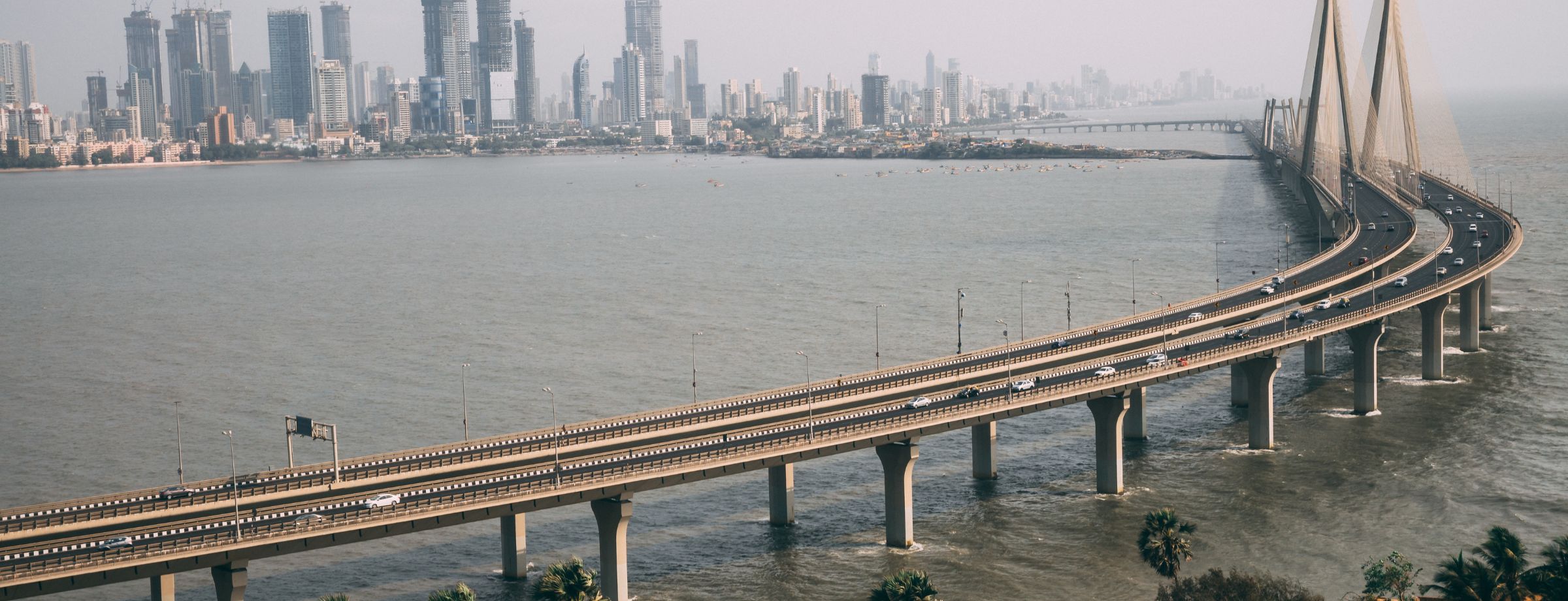
2. Mumbai, Maharashtra
Mumbai ranks highly for career opportunities, healthcare, and lifestyle amenities.
- Pros: Strong employment hubs, high-end hospitals, vibrant social and cultural life.
- Cons / Considerations: High cost of living, heavy traffic, and expensive real estate.
- Neighbourhoods: Parel and Powai provide well-planned residential options with access to quality schools and hospitals.
- Ideal for: Career-oriented families seeking an urban lifestyle with extensive amenities.
| If you’re looking to make Mumbai your home, explore Island Cove, a serene enclave that balances the city’s vibrant pace with the calm of thoughtfully designed living spaces. |
3. Chennai, Tamil Nadu
Chennai offers robust healthcare, educational infrastructure, and steady urban growth.
- Pros: Coastal proximity, planned neighbourhoods, good schools, and cultural opportunities.
- Cons / Considerations: Hot climate, occasional flooding in some areas, and limited nightlife.
- Neighbourhoods: Manapakkam provides well-planned residential zones with convenient access to key amenities.
- Ideal for: Families prioritising education, healthcare, and stable living conditions.
| If you’re considering settling in Chennai, discover Avinya Enclave, a modern residential community that blends comfort, connectivity, and contemporary design for a balanced urban lifestyle. |
4. Hyderabad, Telangana
Hyderabad is known for its growing IT sector, affordable housing, and rich cultural heritage.
- Pros: Employment opportunities in IT and pharmaceuticals, lower cost of living compared to other metros, and emerging infrastructure.
- Cons / Considerations: Traffic congestion and rapidly rising property prices in prime areas.
- Neighbourhoods: Gachibowli and Hitech City offer planned residential and commercial hubs.
- Ideal for: Professionals and families seeking career growth with affordable living.
5. Delhi NCR
Delhi NCR remains one of India’s most dynamic regions, blending history with a thriving urban ecosystem.
- Pros: Access to government institutions, major corporate offices, top-tier healthcare, education, and cultural attractions.
- Cons / Considerations: Air quality issues, traffic congestion, and higher property costs in central areas.
- Neighbourhoods: Areas such as Mathura Road, South Delhi, and Dwarka offer diverse residential choices with convenient metro and road connectivity.
- Ideal for: Professionals and families who prefer city-centre living with access to established amenities and social infrastructure.
| If you’re exploring homes in Noida, experience Green Reserve, a tranquil address that brings together modern living, lush surroundings, and seamless connectivity for a refreshing urban lifestyle. |
Top Tier 2 Cities to Live in India 2025
Tier 2 cities are emerging hubs with improving infrastructure, growing amenities, and affordable housing:
1. Coimbatore, Tamil Nadu
Coimbatore is a growing industrial and educational hub with a calm lifestyle.
- Pros: Affordable housing, good schools and hospitals, and moderate traffic.
- Cons / Considerations: Limited high-end entertainment options.
- Ideal for: Families and professionals seeking affordability and quality of life.
2. Surat, Gujarat
Surat is an industrial and commercial centre with strong economic opportunities.
- Pros: Job opportunities in textiles and diamond industries, affordable property rates.
- Cons / Considerations: Hot climate and occasional waterlogging.
- Neighbourhoods: Adajan offers convenient access to schools and markets.
- Ideal for: Professionals and families prioritising employment opportunities and cost-effective living.
3. Mysore, Karnataka
Mysore is known for its cultural heritage, safety, and cleanliness.
- Pros: Lower pollution, strong education options, and a peaceful living environment.
- Cons / Considerations: Limited high-end job options compared to metros.
- Ideal for: Families and retirees seeking calm, safe, and culturally rich living.
4. Kochi, Kerala
Kochi offers coastal living with commercial growth and urban facilities.
- Pros: Job opportunities in IT and port-based industries, coastal environment, and good schools.
- Cons / Considerations: Flood-prone areas in certain zones and moderate traffic.
- Ideal for: Professionals and families seeking a balance of urban growth and lifestyle.
5. Trivandrum, Kerala
Trivandrum combines government employment, education, and a coastal lifestyle.
- Pros: Safe city, good schools, lower pollution, and affordable housing.
- Cons / Considerations: Limited nightlife and corporate employment compared to larger cities.
- Ideal for: Families and professionals looking for safe, affordable living with good education facilities.
6. Bhubaneswar, Odisha
Bhubaneswar is a growing urban centre with good infrastructure and governance.
- Pros: Affordable housing, well-planned sectors, good schools and healthcare.
- Cons / Considerations: Limited corporate job opportunities and entertainment options.
- Ideal for: Families seeking cost-effective urban living with essential facilities.
7. Lucknow, Uttar Pradesh
Lucknow is a culturally rich city with growing commercial and educational facilities.
- Pros: Affordable property, cultural heritage, and developing infrastructure.
- Cons / Considerations: Traffic congestion in central areas, moderate job opportunities.
- Ideal for: Families seeking a balanced lifestyle at a moderate cost of living.
8. Indore, Madhya Pradesh
Indore is a commercial hub with good educational and lifestyle facilities.
- Pros: Affordable housing, cleanliness, and educational institutions.
- Cons / Considerations: Limited high-end job opportunities compared to larger metros.
- Ideal for: Families and young professionals seeking a balance of affordability and convenience.
9. Chandigarh, Punjab
Chandigarh is a well-planned city known for its urban infrastructure and safety.
- Pros: Excellent urban planning, high safety, and quality education.
- Cons / Considerations: Higher property prices and limited large-scale employment options.
- Ideal for: Families and retirees prioritising safety, cleanliness, and organised urban living.
10. Amritsar, Punjab
Amritsar is a culturally significant city with growing urban facilities.
- Pros: Affordable housing, rich heritage, and good schools.
- Cons / Considerations: Limited corporate job opportunities, moderate pollution levels.
- Ideal for: Families seeking affordable living with cultural and educational benefits.
11. Visakhapatnam, Andhra Pradesh
Visakhapatnam combines coastal living with industrial and IT employment opportunities.
- Pros: Scenic environment, job opportunities in ports and IT, and good schools.
- Cons / Considerations: Moderate traffic in city centres, limited high-end real estate options.
- Ideal for: Professionals and families seeking coastal urban living with career prospects.
12. Vadodara, Gujarat
Vadodara provides a balanced lifestyle with moderate urbanisation and good infrastructure.
- Pros: Affordable housing, growing industrial and educational centres, and relatively low pollution.
- Cons / Considerations: Limited nightlife and high-end shopping options compared to bigger metros.
- Neighbourhoods: Alkapuri is well-planned with schools, hospitals, and commercial centres.
- Ideal for: Families and professionals seeking a quieter city with essential amenities.
| If you’re planning to settle in Vadodara, explore Vihaan, a thoughtfully crafted community that blends comfort, convenience, and contemporary living amidst the city’s calm and welcoming charm. |
13. Navi Mumbai, Maharashtra
Navi Mumbai is a planned city with lower population density and cleaner surroundings.
- Pros: Accessible transport, safer residential areas, green spaces, and planned infrastructure.
- Cons / Considerations: Slightly longer commute to central Mumbai and fewer high-end job options within the city itself.
- Neighbourhoods: Seawoods offers well-planned residential communities with good schools and hospitals.
- Ideal for: Families seeking a safe, well-organised city with a moderate cost of living.
| If you’re considering a home in Seawoods, explore L&T Realty West Manor and West Square, modern addresses that combine contemporary design, comfort, and connectivity in one of Navi Mumbai’s most sought-after neighbourhoods. |
City Comparison Factors: Family, Safety, and Lifestyle
| Factor | Tier 1 Cities | Tier 2 Cities | Notes |
| Crime Rate | Moderate to High | Low to Moderate | Tier 2 cities are often safer |
| Education | Advanced | Developing | Tier 1 cities have more international schools, and Tier 2 cities are improving |
| Healthcare | Advanced | Adequate | Major hospitals are concentrated in Tier 1 cities |
| Cost of Living | High | Moderate | Housing is more affordable in Tier 2 cities |
| Recreational Amenities | Extensive | Growing | Parks, malls, and cultural centres are increasing in Tier 2 cities |
Families prioritising safety, affordability, and environment may prefer Tier 2 cities, while professionals seeking career opportunities may lean toward Tier 1 metros. Understanding these factors helps determine the best place to live in India for specific needs.
How to Choose the Right City for Your Family
Factors to consider while choosing the right city for your family include:
- Budget: Determines feasible living options. Tier 2 cities often provide better affordability.
- Lifestyle: Urban energy versus quieter, greener neighbourhoods affects daily living satisfaction.
- Family Size: Consider current and future needs for space, schooling, and recreation.
- Career & Education Needs: Proximity to workplaces, schools, and colleges is crucial.
- Future Plans: Infrastructure expansion and smart city development can improve long-term quality of life and property convenience.
References:
- https://timesofindia.indiatimes.com/life-style/travel/things-to-do/top-10-safest-cities-in-india-according-to-reports/articleshow/124498105.cms
- https://indianexpress.com/article/trending/top-10-listing/top-cleanest-cities-in-india-2025-see-the-full-list-9853327/
Frequently Asked Questions
1. Which city in India is best to live in?
The best city in India to live in depends on your priorities. Tier 1 cities are ideal for career opportunities and urban amenities, while Tier 2 cities are preferable for safety, affordability, and family-friendly environments.
2. Which are the top 10 safest cities in India?
Some of the safest cities in India, consistently scoring high on safety indices, include Mysore, Chandigarh, Coimbatore, Surat, Pune, Mumbai, Kolkata, Ahmedabad, Chennai, and Bangalore.
3. Which city has the best quality of life?
Cities offering the best quality of life combine strong healthcare systems, excellent educational facilities, and clean, well-maintained environments, with Pune, Bangalore, Kochi, and Mysore being prime examples.
4. Is life better in a small city or a big city?
Life in a big city provides more employment opportunities and access to amenities, whereas smaller cities offer greater safety, affordability, and a more family-oriented lifestyle.
5. Which city is the smartest in India?
The cities recognised as the smartest in India under the Smart Cities Mission include Pune, Kochi, Bhubaneswar, and Navi Mumbai, based on infrastructure, governance, and urban planning.
6. Which state has the best quality of life?
Kerala and Karnataka are considered states with the best quality of life in India, due to high standards in health, literacy, and overall living conditions.
Disclaimer: The information provided in this article is generic and is shared for informational purposes only. It is not a substitute for specific advice in your circumstances. You are recommended to obtain specific professional advice before you take any action/decision. The content is subject to change due to updates in laws or regulations hence, you are recommended to check the information before taking an action/decision. L&T Realty does not claim that the information given in this article is completely true and accurate.