
-
 Registered Channel Partners
-
 Partner With Us
-

-




Apartment Complex in Real Estate: Meaning, Amenities & Benefits
Table Of Contents
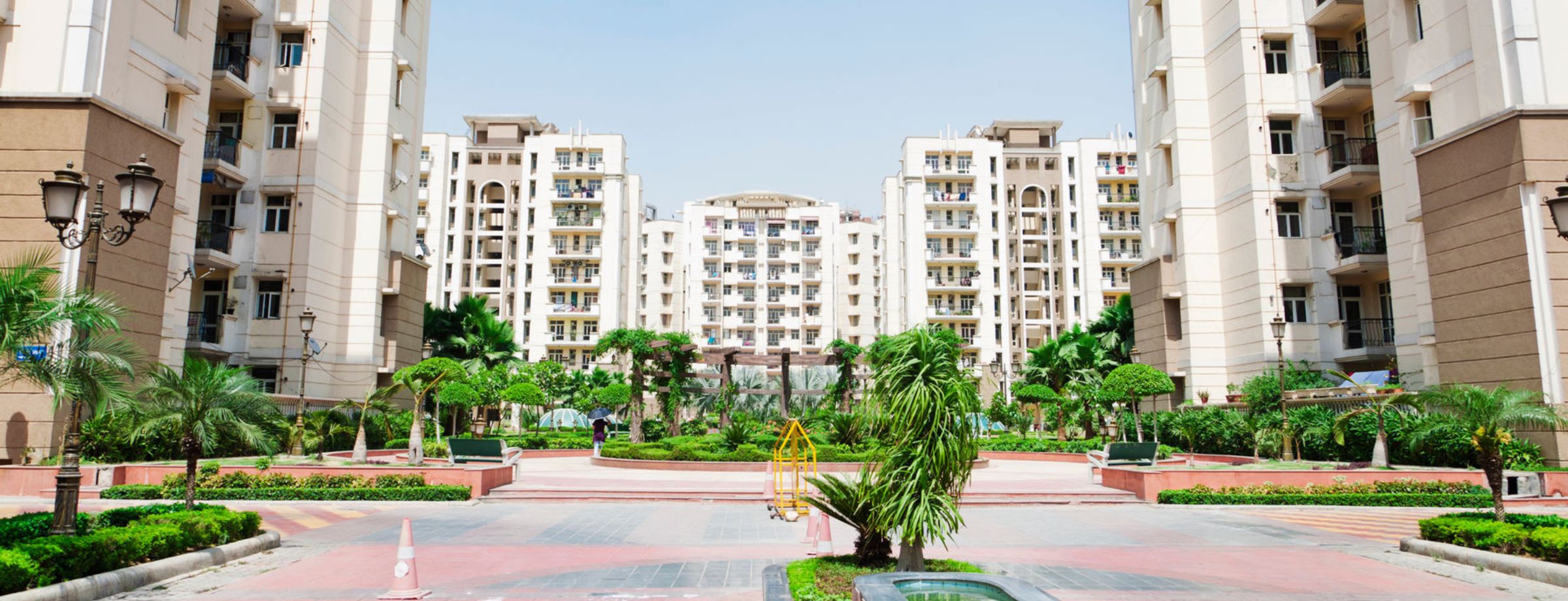
An apartment complex refers to a planned residential development comprising multiple housing units within a defined boundary, supported by shared infrastructure and common amenities. In real estate terms, the apartment complex meaning extends beyond a single building, but it denotes an integrated residential environment designed for organised, high-density urban living. The complex apartment is often misunderstood as merely a group of flats, however, it involves structured planning, centralised management and shared facilities governed by legal and municipal frameworks.
This article explains the apartment complex meaning in detail, how it functions in India, its legal standing, amenities, advantages, and its growing role in urban housing.
What is an Apartment Complex?
It is a residential development consisting of multiple apartment buildings or blocks within a single gated premise. It may also be referred to as a housing complex or, in traditional terminology, an apartment house when contained within one structure.
In real estate classification, a real estate apartment complex includes:
- Multiple residential units
- Shared infrastructure such as roads and utilities
- Common amenities
- Structured property management
Unlike an individual standalone apartment building, a residential complex is usually developed under a unified master plan.
Apartment Complex vs Apartment Building
The difference between apartment complex vs apartment building lies in scale and planning:
- An apartment building is a single structure with multiple units.
- An apartment complex may include several buildings, landscaped areas, parking zones and recreational facilities within one compound.
| If you are evaluating your options, it is equally important to understand the distinction between a flat and an apartment in India. Read our detailed guide on Flat vs Apartment to make a more confident and well-informed choice. |
What Is an Apartment Complex in India?
In India, such developments are governed primarily under the Real Estate (Regulation and Development) Act, 2016 (RERA), along with state-level apartment ownership laws. According to the Ministry of Housing and Urban Affairs (MoHUA), organised residential complexes form a major part of planned urban development under Smart Cities and PMAY initiatives.
Apartment Complex Under Indian Real Estate Laws
Under RERA, developers must register projects exceeding prescribed land and unit thresholds. A RERA apartment complex must disclose layout plans, carpet area definitions and delivery timelines. Ownership structures are often regulated under state Apartment Ownership Acts, with residents forming a housing society under the India model for maintenance.
Difference Between Apartment Complex and Housing Society
An apartment complex and a housing society are two distinct concepts in Indian real estate, though they often coexist within the same residential development.
In simple way:
- Apartment complex = The built residential environment (buildings + units + infrastructure).
- Housing society = The legal body of residents responsible for governance, maintenance, common expenses, compliance and representation.
This distinction is important because in Indian real estate practice, a housing society manages services such as lifts, security, housekeeping, maintenance contracts and compliance with local municipal requirements within an apartment complex.
Structure and Design of an Apartment Complex
Modern apartment complex architecture follows urban planning norms outlined in Development Control Regulations (DCRs) and National Building Code (NBC) guidelines.
Common Layouts and Building Configurations
Configurations include:
- High-rise apartments (typically 10+ floors)
- Low-rise apartments (up to 4–5 floors)
Planning depends on land availability, FSI norms and local zoning rules.
Number of Units and Open Spaces
A typical multi-unit housing development may contain dozens to thousands of units. As per urban planning guidelines, open spaces, setbacks and fire safety access must be integrated into residential planning.
Key Characteristics of an Apartment Complex
The key features of apartment complex developments include:
Multiple Residential Units Within a Single Premise
An apartment complex consists of numerous residential units constructed within a clearly defined boundary. These units may be spread across one or multiple towers and are planned as part of an integrated residential development.
Shared Infrastructure and Facilities
Essential services such as water supply systems, sewage networks, lifts, power backup and internal roads are designed for collective use. The infrastructure is centrally planned to efficiently serve all residents within the complex.
Centralised Property Management
Maintenance and operational responsibilities are typically handled through a structured management system. This may include professional facility management teams or oversight by a residents’ association or housing society.
Gated and Secured Environment
Most apartment complexes are designed with controlled entry and exit points to enhance safety. Security measures commonly include CCTV surveillance, trained security personnel and visitor management systems.
Amenities in an Apartment Complex
Well-planned apartment complex amenities significantly influence buying decisions.
Examples of Amenities in an Apartment Complex
Common residential amenities include:
- Clubhouse in apartment complex
- Gymnasium
- Swimming pool
- Landscaped gardens
- Children’s play area
- Community hall or event space
- Guest suite
Security and Safety Amenities
- CCTV surveillance
- Gated entry
- Security staff or courtesy officer
- Fire safety systems as per NBC
Convenience Amenities
- Dedicated parking
- Power backup
- High-speed lifts
- Maintenance services
Types of Apartment Complexes
Different types of apartment complexes are designed to meet the needs of specific income groups, lifestyles and demographics:
Luxury Apartment Complex
These developments focus on premium living standards with luxury homes and high-end specifications. They typically include superior finishes, concierge services, clubhouses, advanced security systems and spacious layouts in prime locations.
Affordable Housing Apartment Complex
Designed to be budget-friendly, these projects emphasise efficient space planning and essential amenities. Many are developed under government initiatives such as Pradhan Mantri Awas Yojana (PMAY) and aim to make homeownership accessible to middle- and lower-income groups.
Mixed-Use Apartment Complex
These complexes combine residential units with commercial components such as retail shops, offices or entertainment spaces. The design promotes convenience by allowing residents to access daily necessities within the same development, though legal classification may differ depending on state regulations.
Student Housing Apartment Complex
Located near universities and educational hubs, these developments offer compact and functional layouts. They often include shared amenities like study rooms, high-speed internet and security features tailored to student living.
Senior Living Apartment Complex
Specifically designed for older residents, these complexes prioritise safety and accessibility. Features may include barrier-free design, medical support facilities, emergency response systems and community spaces that encourage social interaction.
Garden Apartment Complex
These are typically low-rise residential buildings surrounded by landscaped gardens and open spaces. The focus is on a quieter, community-oriented environment with better natural light and ventilation.
| To gain a clearer understanding of how various real estate categories differ, and which one best suits your needs, explore our detailed guide on types of property in real estate and make a more informed property decision. |
Benefits of Living in an Apartment Complex
Community Living and Social Interaction
Apartment complexes promote regular interaction among residents through shared spaces and organised activities. This helps build a sense of community and provides social support, especially for families and elderly residents.
Access to Modern Amenities
Residents gain access to amenities such as gyms, gardens and clubhouses without having to maintain them individually. Shared use helps reduce overall costs while improving lifestyle convenience.
Enhanced Security and Maintenance
Most apartment complexes have controlled entry, CCTV surveillance and on-site security staff. Centralised maintenance ensures quicker issue resolution and consistent upkeep of common areas.
Cost-Effective Urban Living
High-density development allows better use of land and infrastructure in cities. This helps lower per-unit costs compared to independent housing while offering better facilities.
Challenges of Living in an Apartment Complex
Limited Privacy
Since multiple families live within the same building or compound, residents often share walls, corridors and common areas. While modern construction improves sound insulation, the level of privacy may still be lower compared to independent homes.
Rules and Regulations
Apartment complexes are usually governed by a housing society or residents’ association that sets community rules. These may relate to renovations, use of common areas, pets, parking or noise levels, and residents are expected to comply with these guidelines.
Parking and Space Constraints
In high-density urban developments, parking allocation may be limited or regulated. Visitor parking and open spaces can sometimes feel constrained, particularly in older or centrally located projects.
Apartment Complex for Rent vs Ownership
Renting an Apartment in a Residential Complex
Renting an apartment complex unit provides flexibility, particularly for professionals, students or families relocating for work. Tenants can benefit from amenities such as security, parking and recreational facilities without bearing long-term maintenance responsibilities or property taxes. The financial commitment is limited to rent and deposits, making it suitable for short- to medium-term stays.
Buying Property in an Apartment Complex
Purchasing a unit within an apartment complex involves a higher upfront investment but contributes to asset creation. Ownership allows buyers to benefit from potential capital appreciation, rental income opportunities and greater control over interior modifications (subject to society rules). For long-term residents, buying can offer stability and participation in the housing society’s decision-making process.
Role of Apartment Complexes in Urban Development
Contribution to Smart Cities
The Ministry of Housing and Urban Affairs (MoHUA), under the Smart Cities Mission, promotes compact, mixed-use and transit-oriented development. Well-planned apartment complexes align with this objective by integrating residential spaces with social infrastructure, improved mobility and digital governance systems. Such developments help reduce urban sprawl and support structured city expansion.
Sustainable and High-Density Housing
Institutions such as the World Bank and UN-Habitat recognise high-density vertical housing as essential for sustainable urbanisation. Apartment complexes allow better distribution of utilities, energy systems, and waste management services per household compared to dispersed individual housing. When designed with green spaces, water management systems and energy-efficient construction, they contribute meaningfully to long-term urban sustainability.
How to Choose the Right Apartment Complex
Factors to Consider Before Buying or Renting
- Developer credibility
Assess the developer’s track record, past project delivery timelines and construction quality. Established developers with transparent practices generally offer better compliance and long-term maintenance standards.
- RERA registration
Verify that the apartment complex is registered under the Real Estate (Regulation and Development) Act, 2016 (RERA). Registration ensures disclosure of approved plans, project timelines and legal approvals, offering greater protection to buyers.
- Location and connectivity
Evaluate proximity to workplaces, schools, healthcare facilities and public transport. Infrastructure such as metro access, road connectivity and planned civic upgrades can significantly influence both convenience and future value.
- Infrastructure quality
Inspect construction standards, water supply systems, drainage, power backup and fire safety measures. The quality of common areas, lifts and structural design reflects the long-term durability of the development.
Bank Inspection and Legal Due Diligence
Before purchasing, ensure the apartment complex has clear land titles, approved building plans and occupancy certificates. A bank inspection apartment complex review typically verifies legal approvals, compliance certifications, and financial documentation, which adds an additional layer of security for buyers.
Apartment Complex in Indian Cities
Cities like Mumbai, Bengaluru, Hyderabad and Gurugram host large-scale integrated residential complexes developed by reputed national developers.
Largest Apartment Complex in the World
Emaar Properties’ developments in Dubai are often cited among the largest residential communities globally.
| Ready to find the right apartment complex for your needs?
Explore thoughtfully planned residential developments, compare features and make an informed decision with expert insights. Start your property search today and take the next step towards smarter urban living. |
FAQ
What are the common amenities in an apartment complex?
Clubhouse, gym, swimming pool, landscaped gardens, parking and security systems.
How is an apartment complex different from individual apartments?
An apartment complex includes multiple buildings with shared infrastructure, unlike standalone units.
What are the benefits of living in an apartment complex?
Living in an apartment complex offers enhanced security through gated access, CCTV surveillance and trained security personnel. Residents also benefit from shared amenities such as clubhouses, gyms and landscaped spaces, along with structured maintenance systems that ensure common areas and essential services are professionally managed.
Are apartment complexes a good investment in real estate?
In prime urban areas, they can offer steady appreciation and rental potential.
Can I buy or rent an apartment in a complex?
Yes, both ownership and rental models are common.
What types of apartment complexes are available?
Luxury, affordable, mixed-use, student housing and senior living formats.
How does living in an apartment complex improve lifestyle?
Access to recreational and social infrastructure enhances convenience.
What are the maintenance costs in an apartment complex?
Maintenance charges vary depending on size, amenities and management standards.
Disclaimer: The information provided in this article is generic and is shared for informational purposes only. It is not a substitute for specific advice in your circumstances. You are recommended to obtain specific professional advice before you take any action/decision. The content is subject to change due to updates in laws or regulations, hence you are recommended to check the information before taking any action/decision. L&T Realty does not claim that the information given in this article is entirely true and accurate.